
Our Research
Infectious Diseases
Our center applies advanced mathematical modeling and data science to understand, predict, and mitigate the spread of infectious diseases. We develop strategies for vaccination, evaluate the impact and cost-effectiveness of public health interventions, and assess disease burden across diverse pathogens, from pandemics like COVID-19 to seasonal respiratory viruses such as RSV and influenza, as well as vaccine-preventable diseases including HIV, TB, rabies, and dengue. By integrating epidemiology with social and behavioral factors, we generate insights that inform policies and optimize interventions both in the U.S. and globally.
Recent Works

Current MenACWY Schedule Outperforms Proposed Alternatives
Our modeling shows that compared to proposed alternatives, maintaining the current adolescent MenACWY vaccination schedule—especially the age-16 booster—prevents more cases of invasive meningococcal disease and saves more lives.
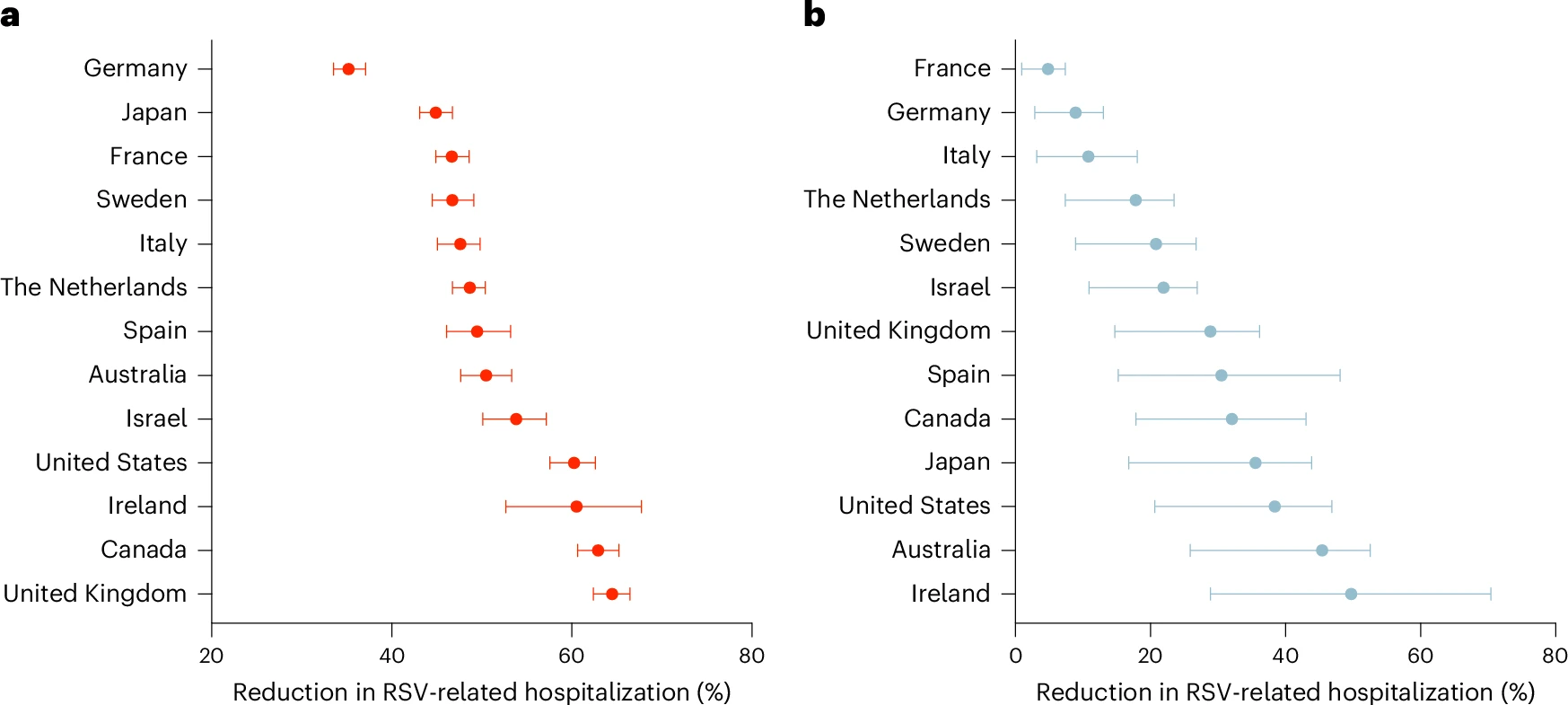
Maximizing Impact: RSVpreF Vaccination Prevents Thousands of Hospitalizations
Our modeling shows that compared to no vaccination, RSVpreF immunization substantially reduces RSV hospitalizations and deaths among both infants and older adults across high-income countries, with the greatest benefits achieved through higher uptake and timely access.
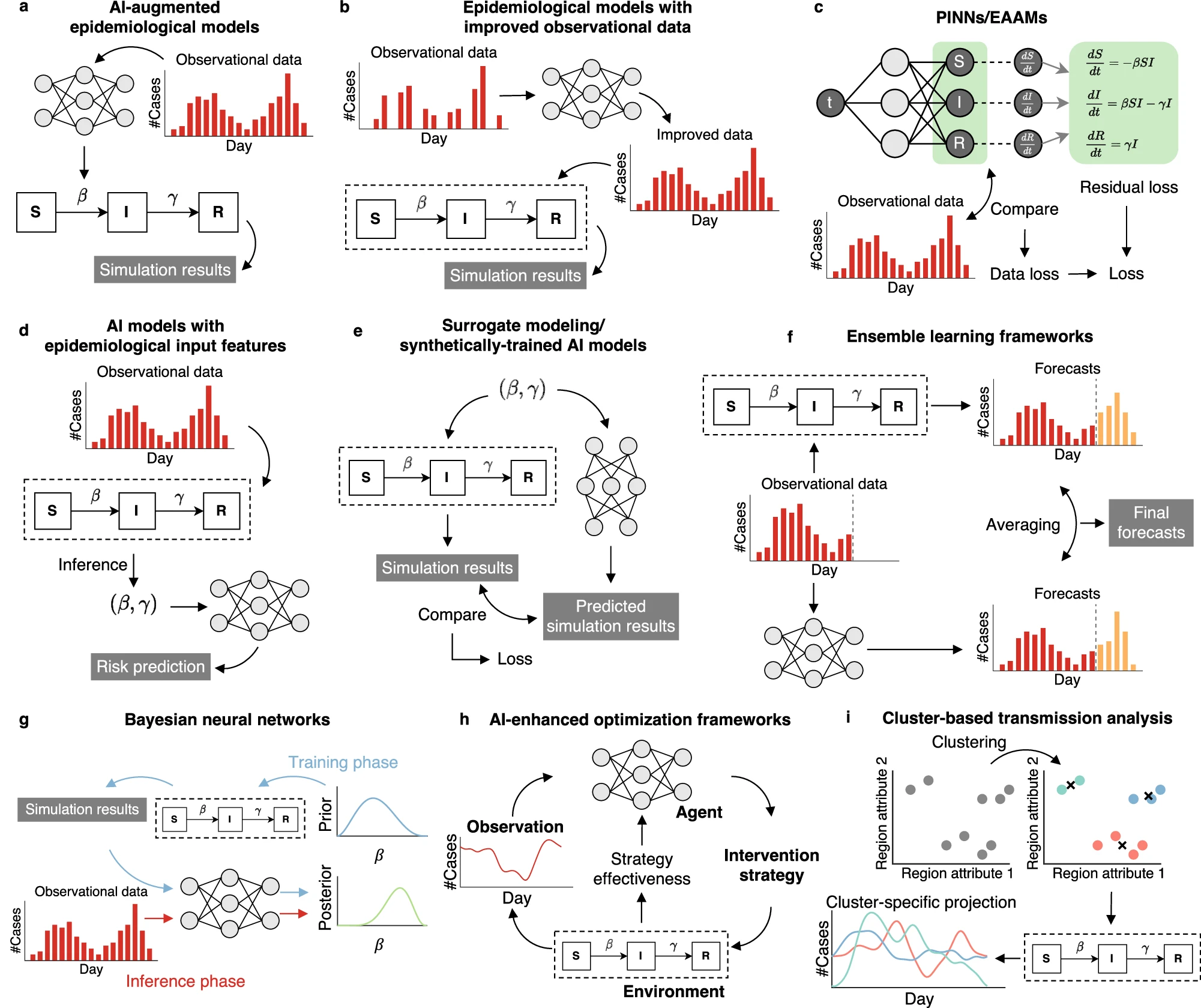
Bridging AI and Mechanistic Models for Infectious Disease Forecasting
Our work highlights how integrating artificial intelligence with traditional mechanistic models offers new opportunities for infectious disease forecasting, while also underscoring key challenges in validation, interpretability, and real-world application.